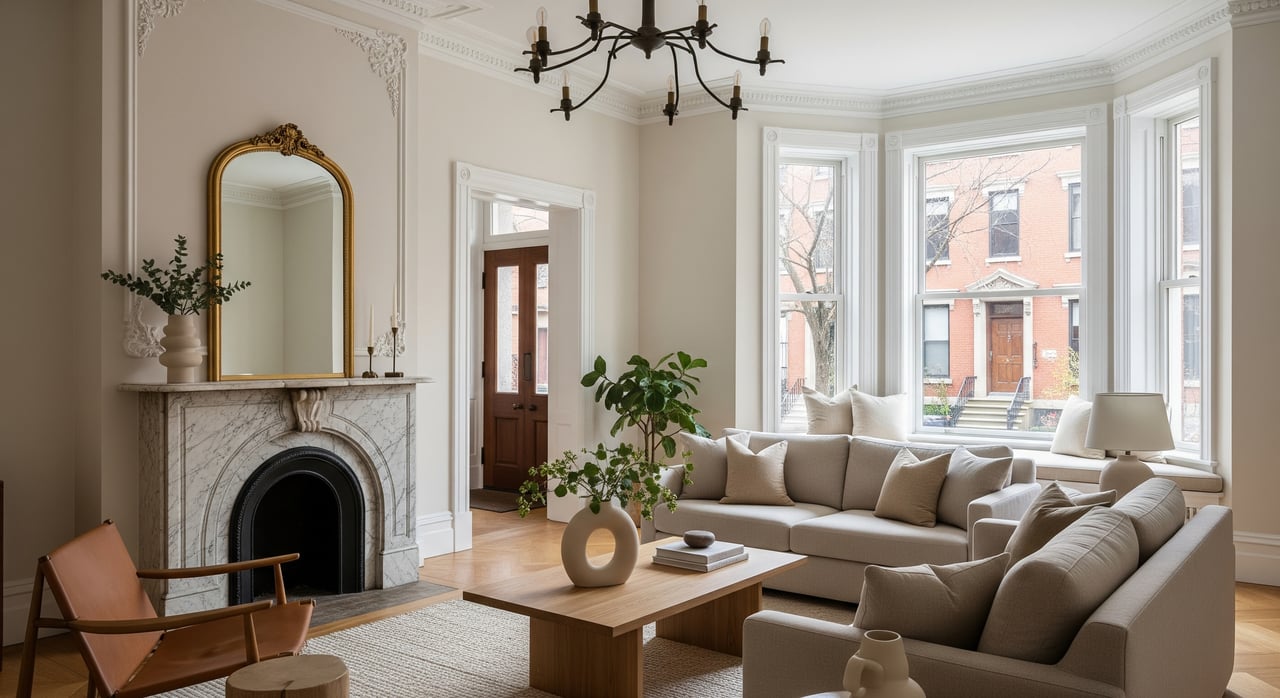
Selling a historic rowhouse in Albany can feel like a balancing act. You want to honor the home’s character while showing today’s buyers a bright, livable space with clear function. The good news is that thoughtful staging can do both without costly or irreversible changes. In this guide, you’ll learn practical, preservation-friendly steps to make narrow rooms feel larger, increase light, showcase period details, and navigate local historic considerations with confidence. Let’s dive in.
What Albany buyers want now
Albany rowhouse buyers look for authentic period character paired with everyday comfort. They want architectural details to shine, along with updated kitchens and baths, good natural light, and easy circulation. Your goal is to keep the soul of the home while making rooms feel open, usable, and move-in ready.
Stage to scale
Narrow floor plates and stacked room layouts can feel tight if furniture is oversized. Right-sizing your layout is the fastest way to change buyers’ first impressions.
Living room and parlor
- Choose seating sized to the room’s width, like narrow sofas, apartment loveseats, or armless chairs.
- Use two small sofas or a sofa plus two chairs instead of a large sectional.
- Keep a 30 to 36 inch pathway clear to show natural flow from the entry and stair to rear rooms.
- Anchor seating with a correctly sized rug that catches the front legs of furniture.
Dining area
- Orient a compact table along the room’s long axis to reinforce length.
- Consider a bench on one side to save visual space.
- Keep table styling simple so the room reads as functional, not crowded.
Bedrooms
- Match bed size to the room. In smaller rooms, a full bed can read more spacious than a queen.
- Limit furniture to essentials and maintain clear walkways on at least one side of the bed.
- Use vertical storage to free floor space and show practical capacity.
Kitchen
- Clear counters to show a clean work triangle and usable surfaces.
- Keep small appliances to a minimum and store extras.
- If you add decor, choose one or two items that signal lifestyle without clutter.
Let in more light
Deep rooms and heavy window treatments can make a home feel smaller. Focus on natural light first, then layer in warm artificial light.
- Clean windows and hardware thoroughly. Remove heavy drapery and swap in sheers or simple blinds that transmit light.
- Use mirrors opposite windows to bounce daylight and increase perceived depth.
- Layer lighting: ambient ceiling light, task lamps for reading and counters, and accent lighting on mantels or built-ins.
- Choose warm bulbs around 2700 to 3000K with a high color rendering index so materials and paint colors look natural.
- Replace dated fixtures with period-appropriate options that feel visually light, such as small chandeliers or pendants.
Photography tip: Schedule interior photos when the natural light is best for each exposure. Consider dusk photos to showcase porch lighting and curb appeal.
Celebrate period details
Albany rowhouses often include mantels, medallions, transoms, pocket doors, and beautiful wood floors. Staging should make these features easy to see and appreciate.
- Pull seating a few inches from mantels to show depth and proportions.
- Clear window sills and keep transoms visible.
- Clean and conserve original finishes when possible. Spot-sand and refinish high-traffic floor areas if needed.
- Choose warm, neutral wall colors that highlight trim and woodwork. Use period-friendly accents sparingly to suggest character without feeling like a museum.
- Keep accessories simple: classic stripes, woven textures, or subtle patterns work well and let the architecture lead.
If you want to suggest an alternative use for a room, do it gently. Layout and styling should cue function, supported by a brief mention in your listing description rather than heavy signage.
Work with historic review
Many Albany rowhouses sit within local historic districts where exterior work visible from the street may require review. Interior work is typically not regulated unless the interior is officially designated, which is uncommon.
- Confirm whether your property is in a local historic district before planning any exterior changes. Check with the City of Albany Planning and Development or the Historic Resources Commission.
- Common exterior work that needs prior approval includes window replacement, changing porch railings or columns, altering facade materials, or adding visible additions.
- Low-risk cosmetic moves usually include minor surface repairs, patching and repainting with historically compatible colors, light fixture swaps that are sympathetic in design, and in-kind repairs. Always verify locally first.
- Favor reversible updates and document before conditions with photos. If you propose changes, prepare clear photos and product sheets to streamline the conversation.
For staging, most interior adjustments are reversible and do not alter historic fabric, which keeps you aligned with preservation goals while improving presentation.
Budget-based action plan
No or low cost (0 to 500 dollars)
- Deep clean, declutter, and depersonalize. Remove personal photos and polarizing decor.
- Patch scuffs and touch up trim with existing colors.
- Clean windows, replace burnt bulbs, and rehang curtains high and wide to maximize light.
- Edit furniture. Remove one or two large pieces to open circulation.
- Add a simple plant at the entry and a few fresh textiles for warmth.
Moderate (500 to 3,000 dollars)
- Repaint interiors in a neutral palette that flatters the woodwork.
- Replace key light fixtures with period-appropriate, visually open designs.
- Screen or refinish small floor areas and add correctly sized rugs.
- Rent scaled furniture for the living room, main bedroom, and kitchen if needed.
Higher budget (3,000 dollars and up)
- Refinish front-facing floors or professionally repair visible historic wood.
- Refresh curb appeal by repairing the porch or stoop, repainting or restoring the front door, and choosing compatible hardware and lighting.
- Hire a professional stager to fine-tune layout and accessories.
- Tackle reversible kitchen or bath updates like cabinet paint, hardware, and lighting.
Room-by-room quick wins
Entry and parlor
- Keep the stair line of sight clear from the front door.
- Use smaller seating groupings to show the parlor as a welcoming living space.
Dining and kitchen
- Keep counters clear and display only a few useful items.
- If appliances are modern, feature them. If older, let the kitchen read clean and organized to suggest potential.
Bedrooms
- Emphasize ceiling height with vertical art.
- Keep bedding neutral and layers simple.
Basement or lower level
- If dry and clean, stage as an office, playroom, or workout zone.
- Disclose any limitations in your listing materials, but show practical potential with simple furnishings.
Porch, stoop, and facade
- Sweep, touch up paint where allowed, and set a small bench or two chairs.
- Add seasonal planters and ensure the exterior light is working.
- Photograph the facade at peak light for inviting listing images.
Pro photography cues
- Capture detail shots of mantels, moldings, transoms, stair balusters, and floors.
- Use a wide-angle lens carefully to avoid distortion that exaggerates narrowness.
- Sequence photos to show flow from the entry through to rear rooms.
- Include before and after or “restoration highlights” images for recently repaired features.
Risks to avoid
- Do not remove or replace original windows, trim, or railings without confirming review requirements.
- Avoid modern fixtures or finishes that fight the home’s scale or period character.
- Do not assume exterior paint color changes are exempt. Rules vary by district.
Your next steps
- Walk through each room and right-size furniture to create clear pathways.
- Maximize daylight, then add layered lighting with warm, high-CRI bulbs.
- Highlight period details with neutral walls and simplified styling.
- Confirm historic district status before committing to exterior changes.
If you want help coordinating staging, photography, and a preservation-friendly refresh that attracts today’s buyers, reach out. We provide boutique, concierge-style listing preparation tailored to historic homes and estate situations so you can sell with confidence and clarity. Connect now to Receive Exclusive Listings and expert guidance with Unknown Company.
FAQs
What should I prioritize when staging an Albany rowhouse?
- Focus on scale, light, and period details. Right-size furniture, layer warm lighting, and keep architectural features visible and clean.
Do I need approval to paint my rowhouse exterior in Albany?
- If your home is in a local historic district, exterior paint changes on primary facades may require review. Confirm requirements with the city before painting.
How do I make a narrow living room feel larger?
- Use smaller-profile seating, maintain a 30 to 36 inch pathway, anchor with a correctly sized rug, and reduce accessories to open sightlines.
What lighting works best in historic interiors?
- Choose bulbs around 2700 to 3000K with high CRI and layer ambient, task, and accent lighting to reduce shadows and highlight details.
Should I refinish my original wood floors before listing?
- If floors are visibly worn in front rooms or traffic areas, spot screening or refinishing can improve first impressions without a full overhaul.
Is professional staging worth it for Albany rowhouses?
- Yes, especially for narrow or highly detailed spaces. A pro can scale furniture, highlight period features, and speed up the sale with a polished presentation.