Albany NY Lifestyle Guide to 12210 Neighborhoods & Life
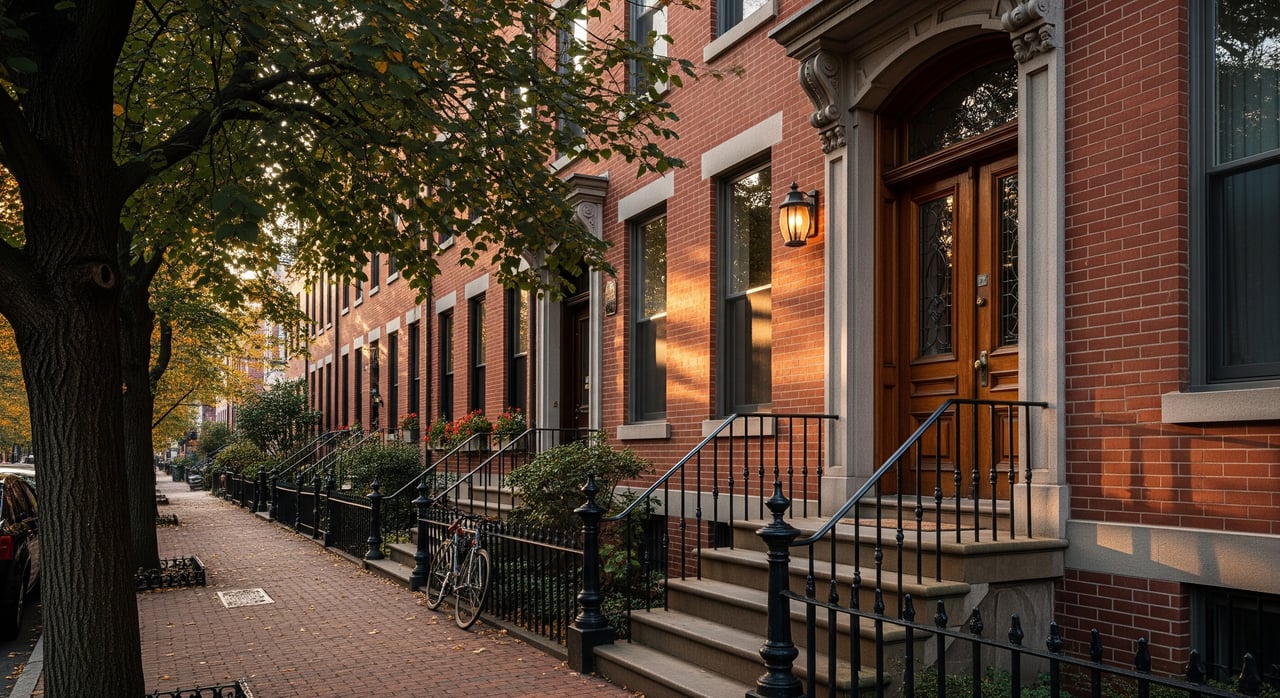
Thinking about trading long subway rides for tree-lined blocks and historic brownstones? If you are exploring a move to Albany, the 12210 ZIP puts you in the center of the city’s most walkable streets, lively cafes, and distinctive architecture. You may be weighing commute trade-offs, curious about daily life, or wondering what the housing stock looks like. This guide gives you a clear, practical look at neighborhoods, homes, and routines in 12210 so you can decide if it fits your lifestyle. Let’s dive in.
12210 covers a large part of central Albany and includes several of the city’s older, more walkable districts. You will find a dense mix of rowhouses, brownstones, and low-rise apartments near active commercial corridors. Washington Park and major cultural institutions sit close by, and state government offices and hospitals are within a short drive or bus ride.
Blocks can feel different from one another, so it helps to think in micro-neighborhoods. Some areas have a lively café and nightlife scene. Others feel more formal, with mansion-scale homes and quiet, leafy streets. Housing options range from condos in converted townhomes to multi-unit properties that may appeal to investors.
These connected areas are among Albany’s most walkable spots. You can step out for coffee, browse independent shops, and enjoy a steady restaurant scene. Washington Park is a few blocks away for a quick run or a picnic.
Just southeast of the Capitol, these streets showcase some of Albany’s most distinctive historic homes. You will see larger rowhouses and mansion-scale properties set along quiet blocks.
North and northwest of downtown, these neighborhoods are diverse in housing stock and street character. You will see ongoing reinvestment on some blocks and long-time community ties.
Often considered nearby rather than strictly in the downtown ZIP, Pine Hills borders central Albany. It reads a bit more residential and quiet.
Near the Hudson River, this corridor centers on outdoor recreation, biking, and seasonal events.
Albany’s core neighborhoods wear their history on the streetscape. You will see Federal and Greek Revival façades in the oldest areas, often near downtown. Late Victorian styles such as Italianate and Queen Anne add brick details, bay windows, and decorative trim. Brownstones and brick rowhouses are common in Center Square and nearby blocks, rising two to four stories with stoops. Closer to commercial streets, early 20th-century walkups and small apartment buildings fill in the fabric.
Several central neighborhoods fall under local historic-district oversight. Exterior changes may require review, so build time for permits and approvals into your timeline. In older properties, expect to evaluate heating systems, plumbing, and electrical. Many pre-war homes benefit from added insulation, energy-efficient windows, and modern HVAC. Lead paint and asbestos can be present in older structures, so follow applicable guidelines during inspections and renovations.
12210 is one of Albany’s most walkable areas. Many residents handle daily errands on foot or by bike. CDTA bus routes run through central corridors and connect to the university, hospitals, and nearby neighborhoods. Car ownership is common, but you can pair a walkable home base with transit for daily life. On-street parking rules and permits may apply on denser blocks.
You will find a mix of small markets, neighborhood grocers, and national chains along nearby corridors. Seasonal farmers’ markets pop up in and near central neighborhoods. Everyday services like pharmacies, salons, and fitness studios are sprinkled across Lark Street, Central Avenue, and downtown streets.
Lark Street and parts of Central Avenue offer a steady lineup of restaurants, bakeries, bars, and cafes. Small venues and periodic events add energy in the evenings and on weekends. The scene is popular with students, long-time residents, and young professionals alike.
Washington Park anchors outdoor life with walking paths, playgrounds, and annual events like the Tulip Festival. The Corning Preserve brings you to riverfront trails for biking and running. For culture, you are close to the Empire State Plaza, The Egg, the New York State Museum, and the Albany Institute of History & Art. Performance venues in Albany and nearby cities add year-round programming.
The Albany–Rensselaer Amtrak station links you to New York City on direct Empire Service and other routes. Plan for roughly 2.5 to 3 or more hours door-to-door depending on your train and connections. For periodic trips, many residents consider Amtrak the most convenient option. Albany International Airport is about a short drive from central neighborhoods and offers regional and national flights.
State government is the single largest employer in Albany, with agencies and legislative offices downtown. Higher education and healthcare also play major roles, including the University at Albany and Albany Medical Center. Professional services, tech startups, and small businesses contribute to a diverse regional economy.
New York State has an income tax and many municipalities have higher-than-average property taxes. City of Albany rates differ from those in nearby suburbs. Factor in winter heating costs, especially in older homes that may need insulation upgrades. For accurate estimates, consult the local assessor and get quotes from insurance and utility providers.
Like most cities, Albany’s safety profile varies by block. Areas with active nightlife can feel busy at night, while some neighborhoods are in earlier stages of reinvestment. Use local crime-mapping tools, speak with neighborhood associations, and visit at different times of day. This on-the-ground research will help you find the streets that match your comfort level.
Multi-unit properties are common in central Albany and can offset housing costs. Review landlord-tenant rules, rental licensing, and inspection requirements before you buy. Plan for ongoing maintenance, system updates, and capital reserves, especially in older buildings.
If you want more room and a strong local arts and dining scene, 12210 can be a compelling fit. Many NYC-area professionals who relocate here work locally, hold hybrid roles, or travel to the city only as needed. The trade-off is more space and lower housing costs compared with downstate markets, balanced by seasonal weather and older-home upkeep.
The housing stock supports a range of budgets and goals. You can start with a condo, consider a rowhouse with rental potential, or move up to a larger historic property. Your best next step is to define how much renovation you want to take on and which streets align with your daily routine.
If you have a value-add mindset, central Albany offers options across condition levels. Focus on building-by-building analysis, neighborhood association updates, and city planning documents. Accurate scopes of work, multiple contractor bids, and an early read on preservation rules will protect your timeline and returns.
When you are ready for a thoughtful, low-pressure conversation about Albany and nearby markets, connect with Gary Martin. You will get consultative guidance, relocation support, and a clear plan for next steps tailored to your goals.
Gary adds value and a rich experience at every interaction. He is very thorough in providing constant communication about each important detail of the transaction and is always extremely attentive, accessible and responds promptly to his clients.